seatbeltsupplier.comAutomotive Supply Library Request Requirement

Product archive

A catalogue read by requirement, not by part number.

Five categories, each written out in full — what the category covers, what tends to define a requirement inside it, and the identification questions worth settling before anything is ordered.

Entries
Five categories
Organised by
Requirement type
Buyers
B2B & professional
Enquiries
Requirement‑led

Seatbelt Assemblies

A complete belt considered as one matched unit — webbing, retractor, tongue and buckle treated together rather than as separate parts that happen to share a seat.

An assembly is the most common thing buyers mean when they say “seat belt”, and it is also where the most assumptions get made. The retractor mechanism, the length and finish of the webbing, the shape of the tongue and the receiver it locks into are all designed as a set. Substituting one element for something that merely looks similar changes how the whole assembly behaves.

For that reason, an assembly requirement is best discussed as a whole. Which seating position it serves, how it is anchored, which side of the vehicle it belongs to and what the existing part looks like all narrow the field far more quickly than a product name alone.

  • Seating position and mounting side
  • Retractor type and mounting arrangement
  • Webbing length and finish
  • Tongue and receiver pairing
  • Anchorage points available in that seat

Buyer consideration

If you are replacing an existing assembly, photographs of the retractor housing, the anchorage bolt positions and any moulded markings on the tongue or buckle are the fastest route to a clear answer.
Catalogue PlateAssembly
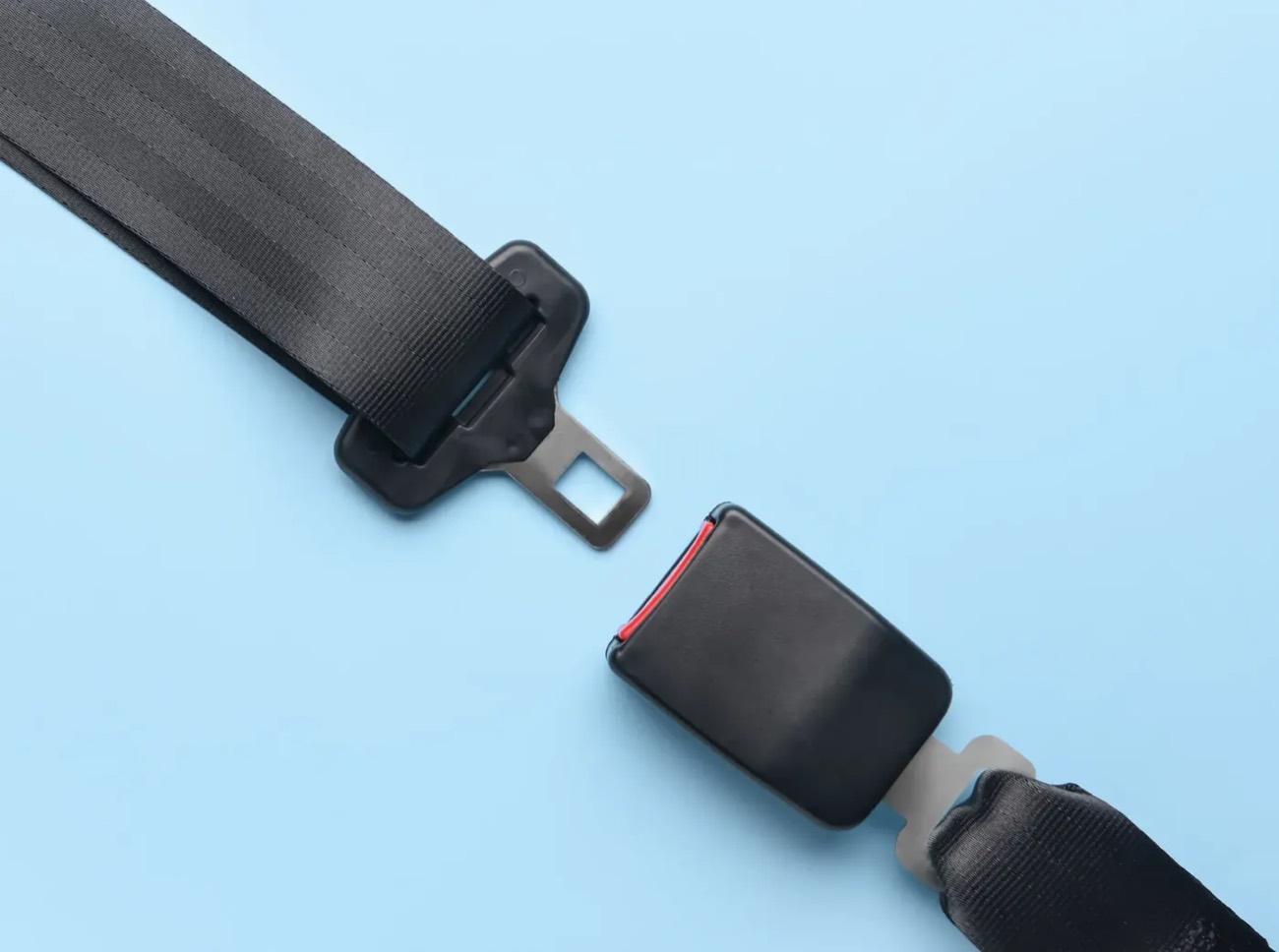
A complete seat belt assembly laid flat on a pale blue surface — black webbing, metal tongue and buckle receiver arranged side by side.
Webbing, tongue and buckle receiverRef. P-01

Automotive Seatbelts

Front, rear and centre-position belts across passenger and commercial interiors, discussed by where they sit in the vehicle rather than by a generic description.

Seating position is the single most useful thing a buyer can state. A front outboard belt, a rear outboard belt and a centre belt in the same vehicle are rarely interchangeable — they differ in length, in anchorage, in how the webbing routes and often in the retractor arrangement behind the trim.

Colour and webbing finish also come up more often than people expect. Interiors are specified in different shades, and a belt that is correct in every mechanical respect can still be the wrong thing to hand a customer if the finish does not match the rest of the cabin. It is worth raising early rather than at the end.

  • Front outboard, rear outboard or centre position
  • Left or right side of the vehicle
  • Webbing colour and finish
  • Retractor or static arrangement
  • How the belt routes through the trim

Buyer consideration

Where a vehicle has more than one interior specification, the seating position alone may not be enough. Any information you have about the trim level or interior colour is useful to include.

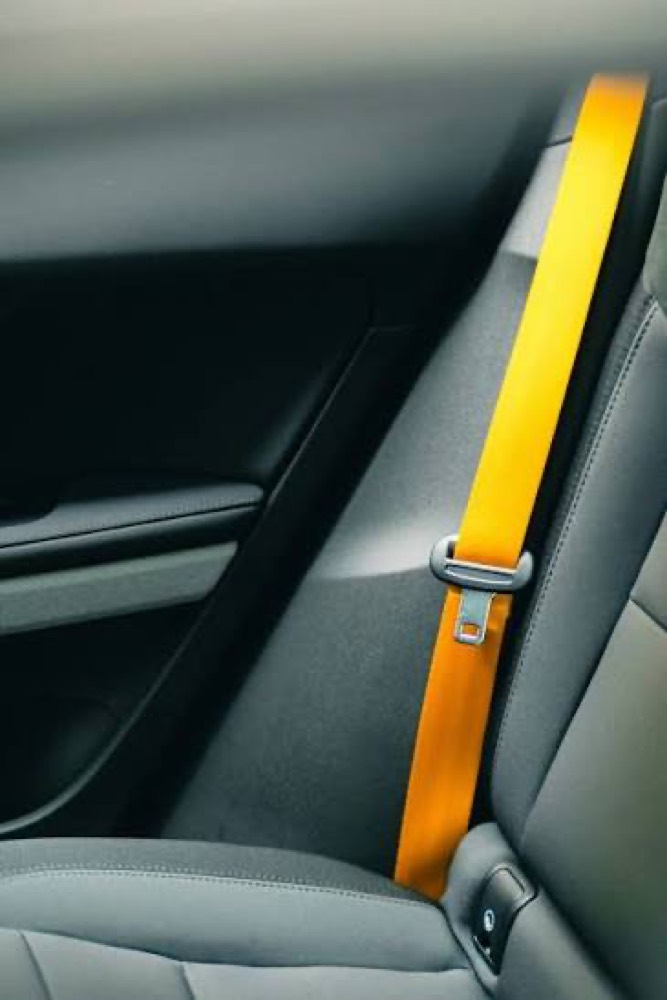
Catalogue PlateBelt
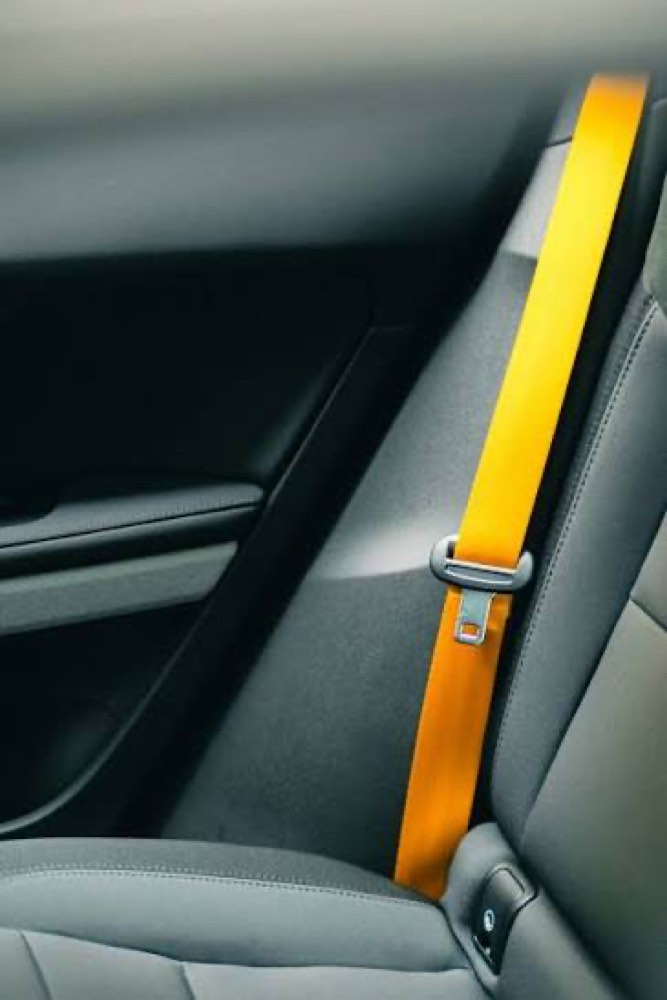
A bright yellow seat belt running diagonally across the grey interior trim of a car, seen from the rear seat.
Belt in a rear seating positionRef. P-02

Restraint Components

Buckles, tongues, stalks, anchorage hardware and related restraint parts, for requirements where a single component is what is actually needed.

Not every requirement is a whole belt. A buckle receiver that no longer releases cleanly, a damaged stalk, or a missing anchorage fitting can each be the entire enquiry. Component-level requirements are usually the most identification-sensitive of all, because small differences in tongue geometry or stalk length are easy to miss in a photograph and impossible to miss once the part is in front of you.

When the component is in your hands, that is an advantage. Moulded markings, the shape of the latch aperture, the length and routing of the stalk and the type of anchorage fixing are all readable from the part itself, and all of them help.

  • Buckle receivers and press mechanisms
  • Tongues and latch plates
  • Buckle stalks and their mounting
  • Anchorage hardware and fixings
  • Trim and guide components

Buyer consideration

A tongue and its receiver are a matched pair. If either is being replaced, it is worth confirming that both sides of the pairing will still be correct before proceeding.

Specimen PlateComponent
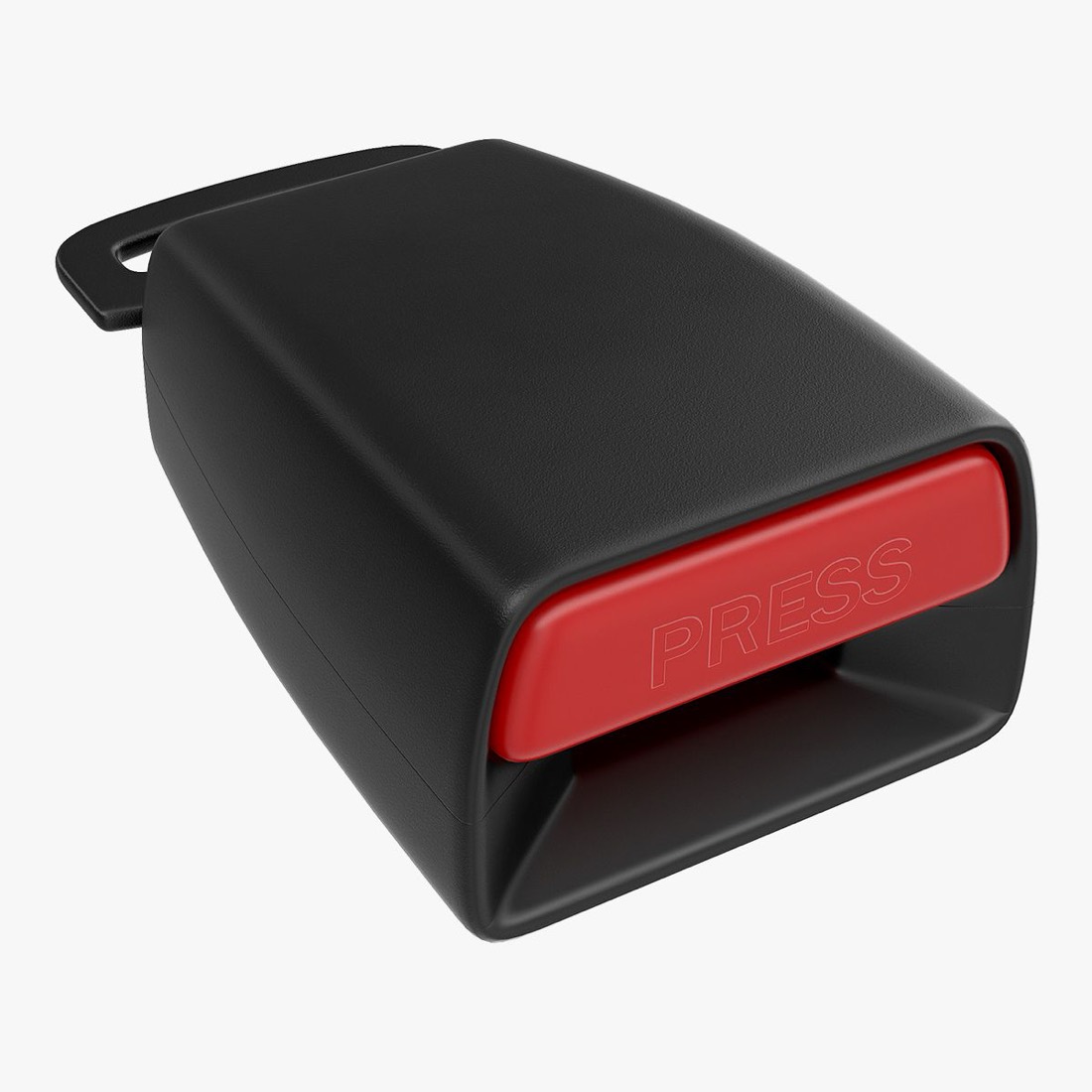
A single black seat belt buckle receiver with a red press-release button, photographed against a plain light background.
Buckle receiver, isolated viewRef. P-03

Replacement Requirements

Requirements that arise because something is being replaced — and the identification questions that always come with them.

Replacement requirements are the most frequent kind of enquiry in this category and the easiest to get wrong, because the buyer already has the answer in front of them and does not always realise it. The existing part carries most of the information a supplier needs: markings, geometry, mounting arrangement, webbing finish.

The other half of a replacement discussion is context. Why the part is being replaced, whether the vehicle has been involved in an incident, and whether anything around the anchorage points has been affected all change what is appropriate. Some replacement situations are straightforward. Others need a qualified assessment of the vehicle before any part is a good idea at all.

  • What is being replaced, and why
  • Photographs of the existing part in place
  • Any markings visible on the old component
  • Whether surrounding structure is affected
  • Whether one seat or several are involved

Buyer consideration

Where a vehicle has been in a collision, restraint systems and their mounting points should be assessed by a qualified professional. Fitting a replacement belt does not by itself establish that the restraint system in that vehicle is sound.

Reference PlateReplacement
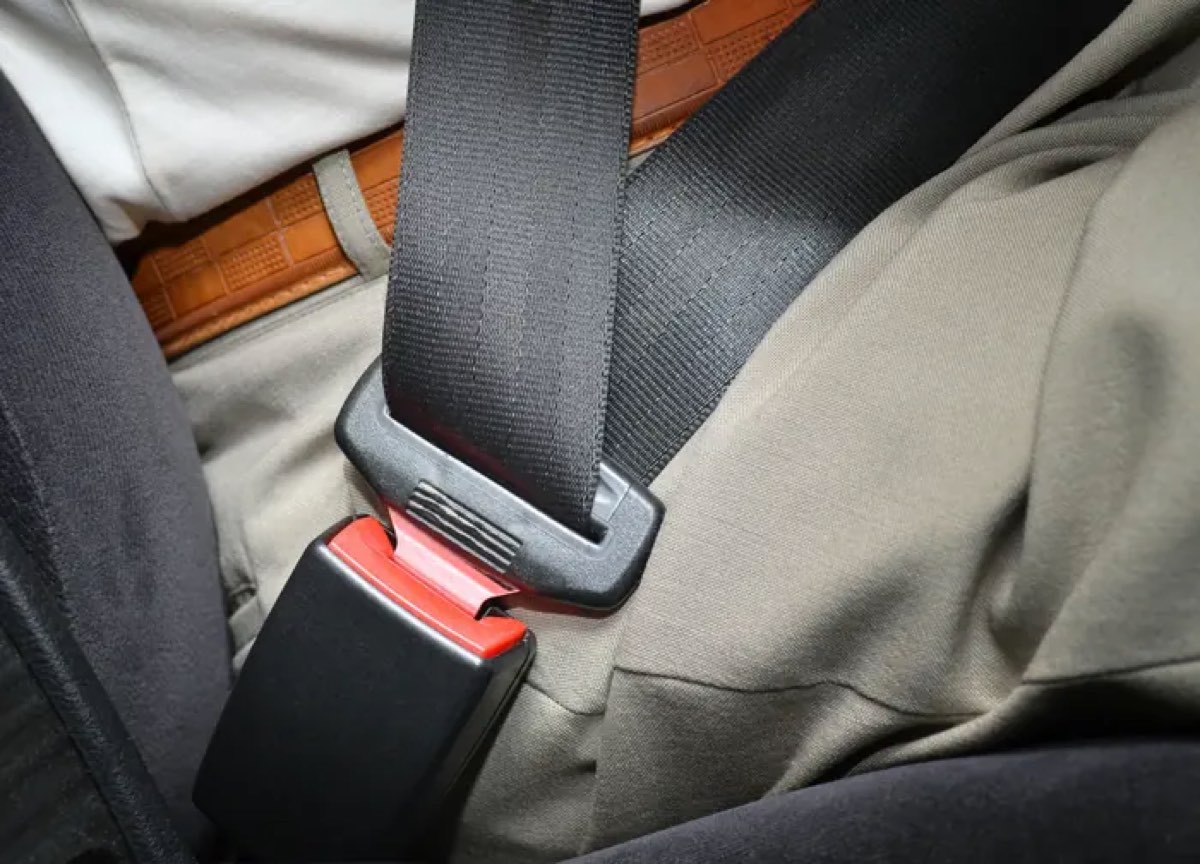
A fastened black seat belt with a red release button, shown across the lap of a seated occupant in a vehicle.
Belt fastened in serviceRef. P-04

Application-Specific Requirements

Requirements defined by where the belt is going rather than by a catalogue name — a particular vehicle, a particular seat layout, a particular working environment.

Some enquiries cannot be answered from a product list at all, because the buyer is not starting from a product. They are starting from a seat that needs a belt in it, in a vehicle or an environment with its own constraints. Bench seating, unusual anchorage positions, converted interiors and specialist vehicles all fall into this group.

These requirements take longer to establish and are worth the time. The useful conversation is about the seat and its mounting arrangement, not about part numbers — measurements, photographs of the anchorage points, and a clear description of how the seat is used will get further than anything else.

  • The vehicle or structure the seat is mounted in
  • Anchorage points available and their spacing
  • Seat type and how it is occupied
  • Any constraints on belt routing
  • Whether the arrangement must be repeatable across several seats

Buyer consideration

Requirements of this kind depend heavily on the specific application. Suitability, and anything that applies to it in your market, should be verified appropriately before the arrangement is put into use.

Reference PlateApplication
A seat belt tongue and its black buckle housing resting on a light grey fabric seat.
Tongue at rest on seat fabricRef. P-05
06 / IdentificationBefore the order

Identify before you order.

Almost every avoidable problem in this category traces back to a part that was ordered before it was properly identified. Identification is not paperwork. It is the step that makes everything after it straightforward.

What you can send

None of this is technical work. It is a matter of describing what is in front of you, and photographing it clearly.

  • Product photographs — the tongue, the buckle, the retractor housing and the anchorage points, in good light
  • Vehicle details — whatever you know about the vehicle the part belongs to
  • Application — which seat, which side, which row
  • Existing component information — anything printed on the old part or its packaging
  • Visible markings — moulded text, stamped codes, labels on the webbing
  • Approximate quantity — one, a batch, or an ongoing volume
  • Required configuration — length, routing, mounting arrangement

Why it reduces ambiguity

Words describing a physical object are lossy. Two people can use the same phrase for two different parts and neither will notice until something arrives that does not fit. A photograph collapses that ambiguity immediately — it shows geometry, finish, wear and markings all at once, and it does not depend on either side using the same vocabulary.

Quantity and configuration matter for a different reason. They determine whether a requirement can be met as a one-off or needs to be planned, and they are the details most often left until last, when they are the hardest to accommodate.

A note on fitting

This page is about identifying and sourcing components. It is not installation guidance. Seatbelts and their anchorages are safety-critical, and fitting, adjustment or repair should be carried out by a suitably qualified professional in line with the requirements that apply to that vehicle. Restraint systems should never be modified or improvised.

The full buyer guide

Send a requirement

Found the category — now let’s pin down the part.

Send the application, the component and any photographs you have. That is usually enough to move straight to something concrete.