seatbeltsupplier.comAutomotive Supply Library Request Requirement

Where requirements begin

Applications, not product names.

Enquiries rarely start with a catalogue. They start with a vehicle, a seat, a fleet or a customer waiting. This page is organised around those starting points — and what each one usually needs to be asked.

Applications
Five starting points
Organised by
Origin of requirement
Typical buyer
Trade & professional
Next step
Discuss the requirement

Passenger Vehicles

Cars and personal vehicles, where the requirement is usually defined by seating position and interior layout.

This is the most familiar starting point and the one where a small amount of information goes a long way. A passenger car may carry five or more belts, each specified differently: front outboard belts with retractors, rear outboard belts routed through the trim, and a centre position that is frequently a different arrangement altogether. Naming the seat is often enough to halve the search.

Interior specification is the second variable. Where a model was offered with different trim colours or seat configurations, the mechanically correct belt may still be visually wrong. It is worth mentioning what the rest of the cabin looks like.

  • Which seat — front, rear, outboard or centre
  • Which side of the vehicle
  • What the interior colour and trim look like
  • Whether the existing belt is available to photograph
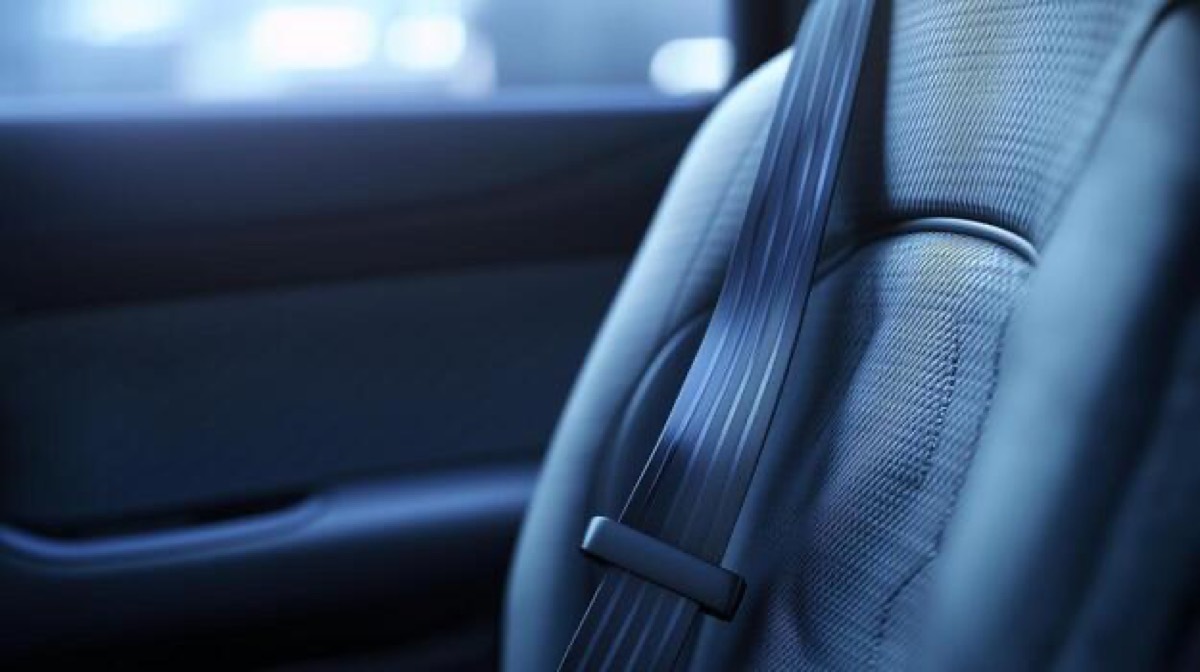
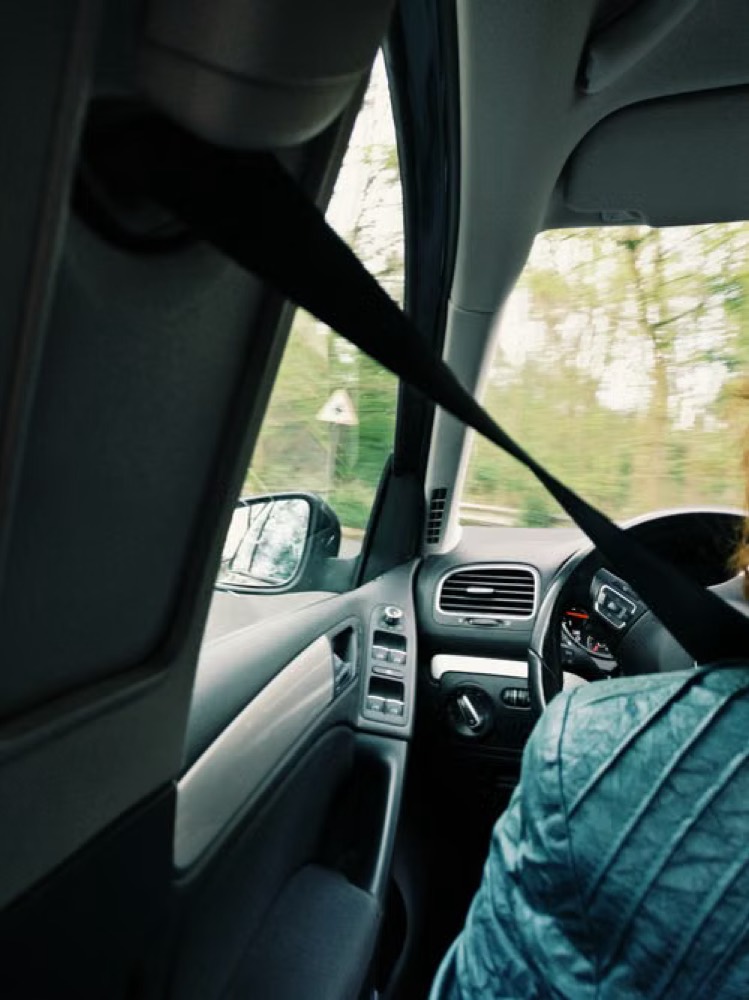
Application PlatePassenger
A seat belt lying across the shoulder of a car seat, photographed in cool daylight through the side window.
Front seat, belt at restApp. 01

Commercial Vehicles

Vans, light commercial and goods vehicles, where cabin configuration and duty cycle change what is appropriate.

Commercial cabins are not simply larger versions of passenger interiors. Bench seating, three-abreast front rows, bulkheads immediately behind the seat and anchorage points set into structure rather than trim all appear regularly, and each of them affects belt length, routing and mounting.

Duty cycle matters too. A belt in a vehicle that is entered and exited dozens of times a day sees a very different service life from one in a private car. That does not change what is correct for the vehicle, but it does change how often the question comes round again, which is worth planning for if you run more than one.

  • Cabin layout — single seat, bench or three-abreast
  • Whether a bulkhead sits behind the seat
  • Where the anchorage points are located
  • How the vehicle is used day to day
Application PlateCommercial
The interior of a van looking forward from behind the driver, with the seat belt visible across the seat and the road ahead through the windscreen.
Cab interior, driver positionApp. 02

Fleet Requirements

Operators maintaining a number of vehicles, where consistency across a batch matters more than any single part.

Fleet requirements are a different problem from single replacements, even when the part is identical. The priority shifts from “find one” to “find the same one, repeatedly, without surprises”. That makes the initial identification work more valuable, because it is done once and used many times.

It also makes the shape of the requirement worth discussing openly: how many vehicles, how many belts per vehicle, whether they are needed together or drawn down over time, and whether the fleet is uniform or mixed. A mixed fleet is entirely workable — it simply needs to be broken into its groups first rather than treated as one line.

  • How many vehicles and how many belts per vehicle
  • Whether the fleet is uniform or mixed
  • Whether the requirement is one batch or recurring
  • Which positions are involved across the fleet
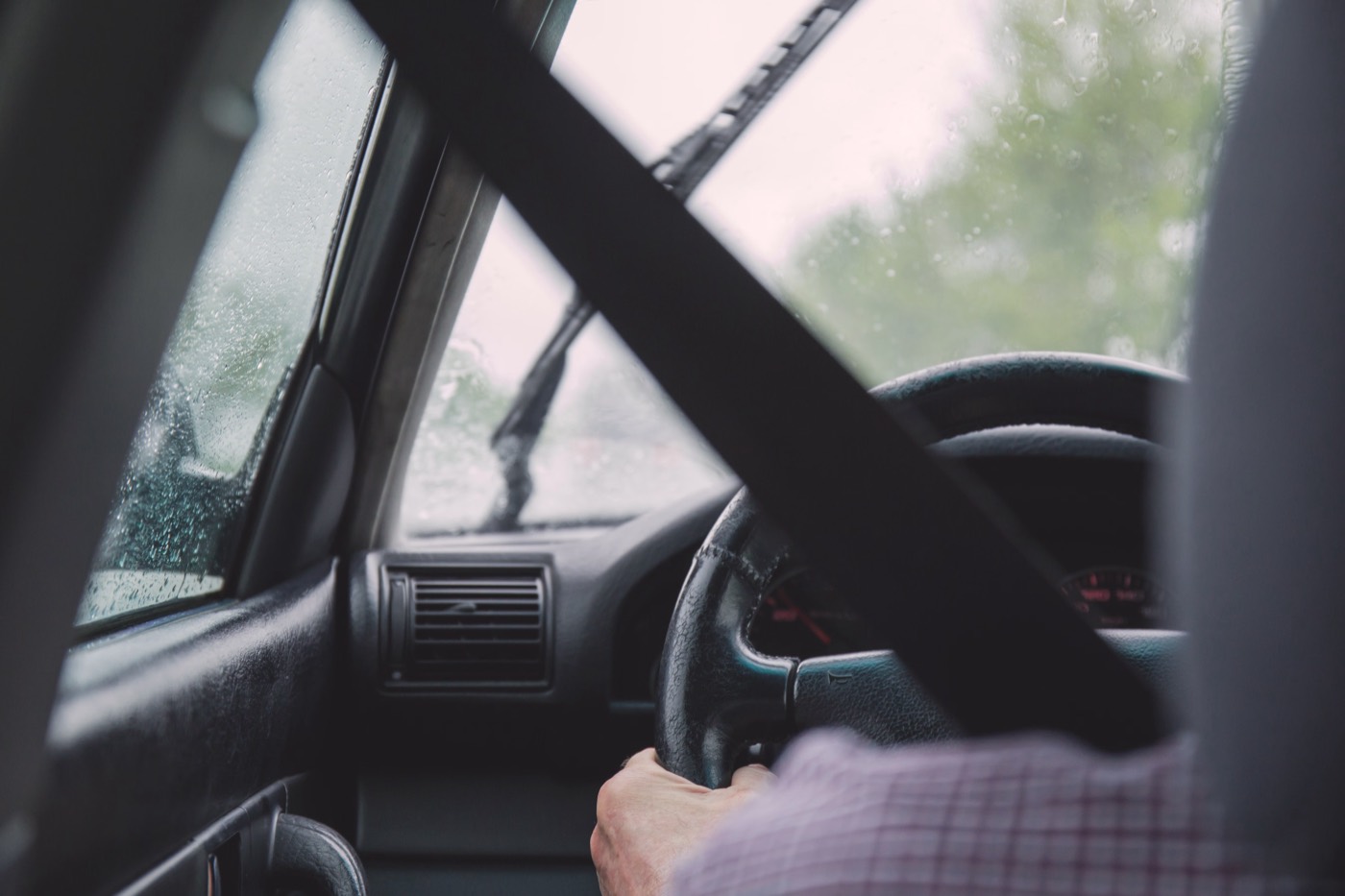
Application PlateFleet
A driver’s view from inside a vehicle, hands at the steering wheel with the seat belt running across the shoulder and the road visible through the windscreen.
Driver position, belt in useApp. 03

Workshops & Professional Buyers

Trade buyers working to a customer’s vehicle, usually with the old part already in hand.

Workshops and professional buyers hold the strongest position in any identification conversation, because the evidence is physically in front of them. The part can be photographed, measured, and read for markings. What tends to be missing is not information but time — the vehicle is on a ramp and an answer is needed now.

The practical response to that is to send everything in one go rather than in instalments. A short set of photographs covering the tongue, the buckle, the retractor and the anchorage points, together with the vehicle details and the seating position, is usually the whole enquiry. Anything that comes back after that is a question about supply, not about identification.

  • Photographs of the part as it sits in the vehicle
  • Any markings you can read on it
  • The vehicle and seating position
  • How soon the part is needed and how many
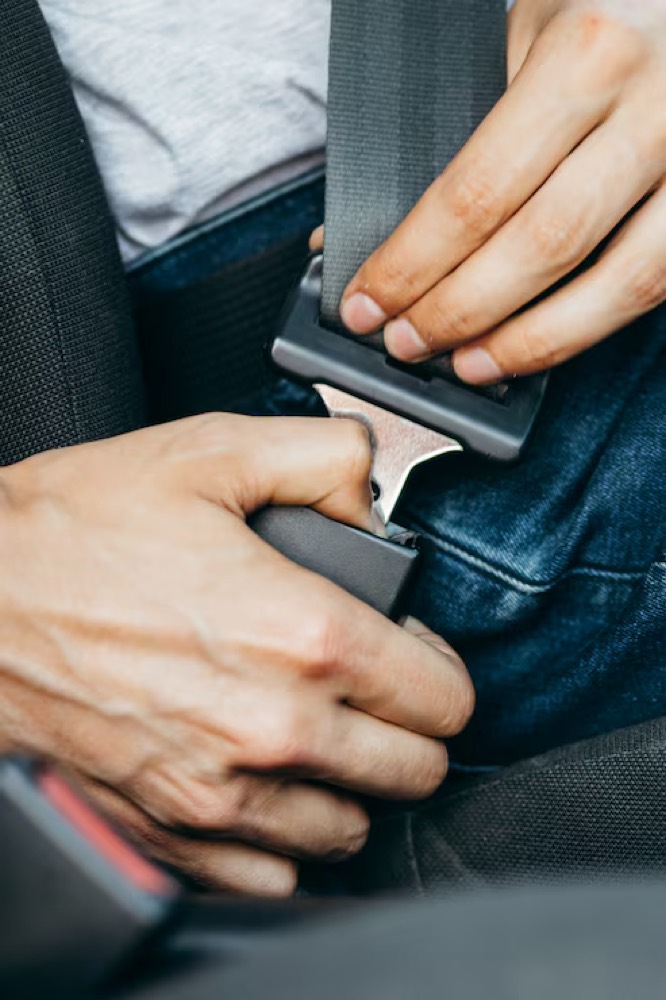
Application PlateTrade
Two hands guiding a seat belt tongue towards its buckle inside a vehicle, seen close up.
Component handled at the seatApp. 04

Replacement Requirements

Situations where an existing belt is being replaced, and identification comes before everything else.

The replacement market covers everything from routine wear to belts that no longer retract cleanly, buckles that have stopped latching reliably, and components damaged in ways that are obvious on inspection. Each of them starts in the same place: establishing exactly what is currently fitted.

Context is the part that is easiest to skip and least safe to skip. Why the belt is being replaced changes the conversation. Routine service wear is one thing; a vehicle that has been in a collision is another, and in that case the restraint system and its mounting structure need a qualified assessment before any part is specified. Supplying a belt does not establish that the system it goes into is sound.

  • What is being replaced and why
  • Whether the vehicle has been in an incident
  • Photographs of the existing installation
  • Whether one seat or several are affected
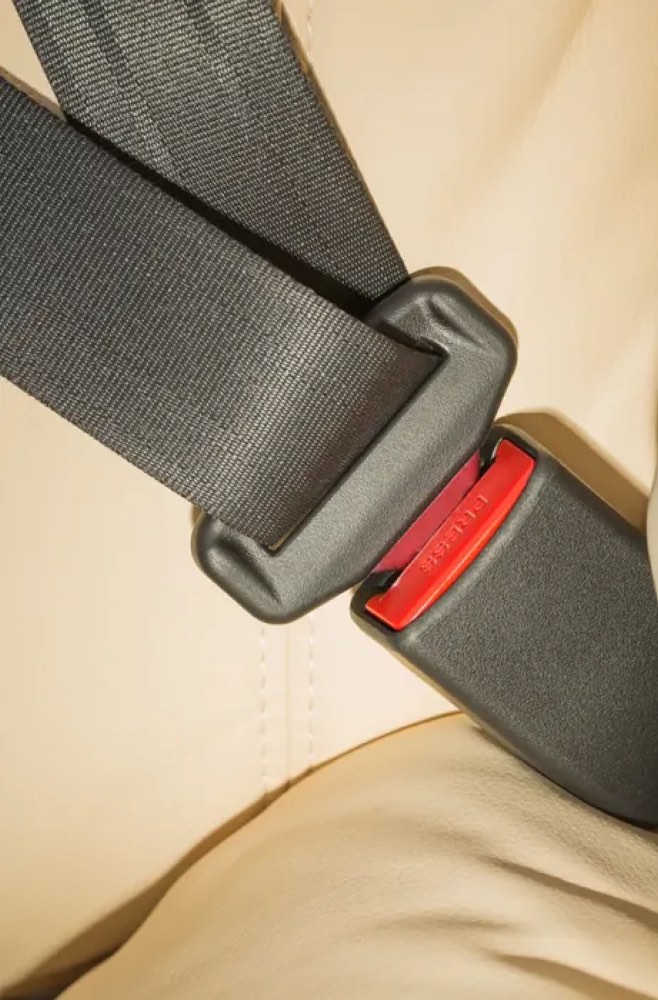
Application PlateReplacement
A dark seat belt with a red buckle release, fastened across a cream-coloured vehicle seat.
Belt and buckle, seat detailApp. 05

On suitability

Whether a product suits an application depends on that application.

Nothing on this page establishes that a particular belt is right for a particular vehicle or environment. That determination rests on the specific installation, and buyers should verify it — including anything that applies in their own market — before a component is put into service. Where a vehicle’s restraint system may have been affected by an incident, it should be assessed by a suitably qualified professional first.

Send a requirement

Start from the vehicle. We will work back to the part.

Tell us where the requirement comes from and what you can see. That is a better opening than any part number.