Automotive Safety Components
The Right Seatbelt Requirement Starts With the Right Information.
Explore automotive seatbelt and restraint-component requirements through a supplier-focused approach built around product identification, application awareness and clear buyer communication.
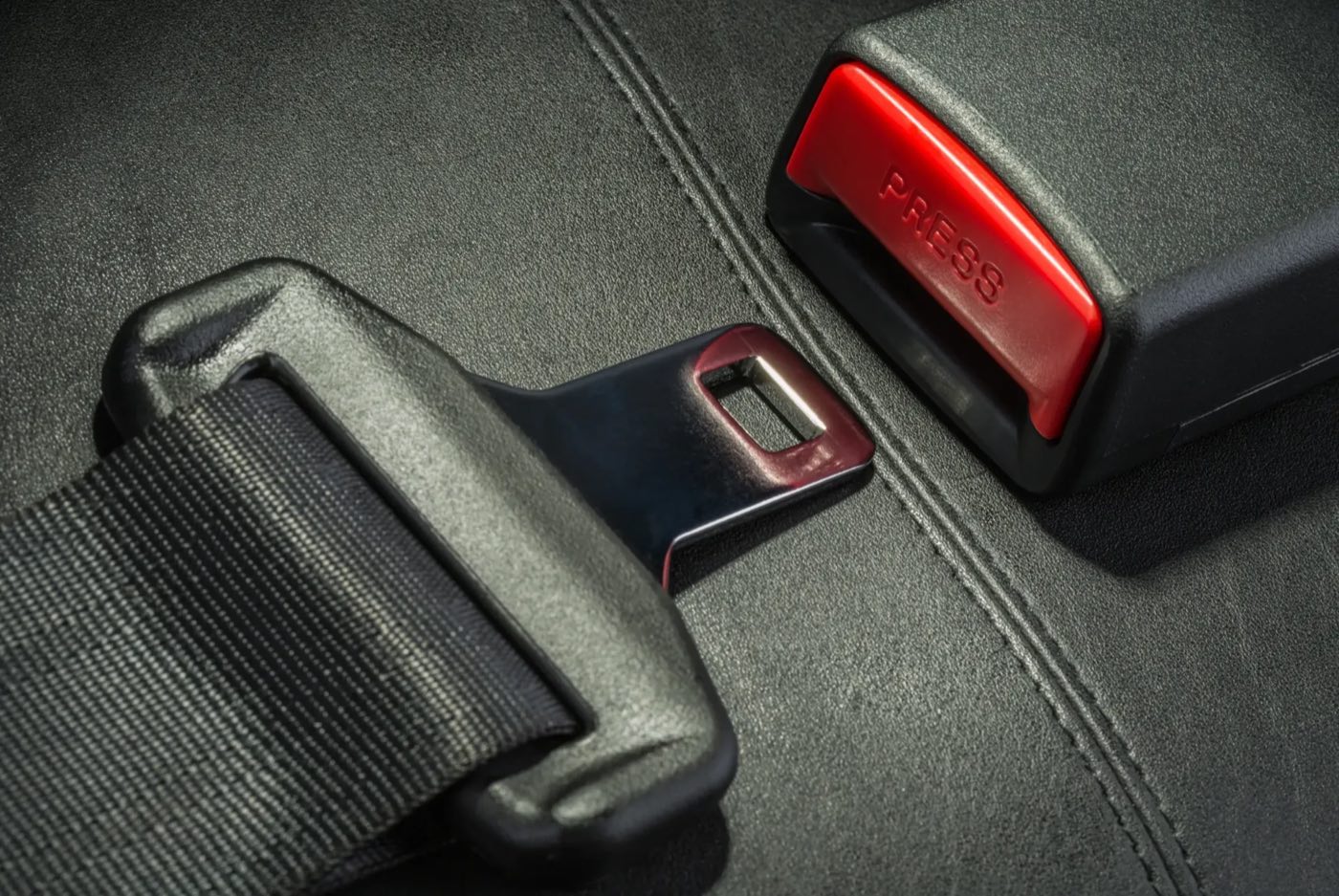
Supply should begin with understanding.
A seatbelt is not a generic line item. It is defined by the vehicle it was designed around, the seating position it serves and the way it is anchored in that particular interior. Two belts that look alike in a photograph can behave as entirely different parts once they are on a bench.
Most sourcing difficulty in this category is not a supply problem. It is an information problem. A buyer asks for “a seat belt”; the supplier has no way of knowing whether that means a complete assembly with its retractor, a replacement buckle stalk, or a centre-position lap belt for a specific row of seating. Time is spent narrowing something down that could have been clear at the outset.
Working the other way round is quicker and far less prone to disappointment. When the application, the component and the available product information are put on the table first, the conversation moves directly to what can actually be supplied — and the buyer knows what they are agreeing to.
That is the whole idea behind this site. Before you send an enquiry, it helps to know what a supplier will need to hear, and why each piece of it matters.
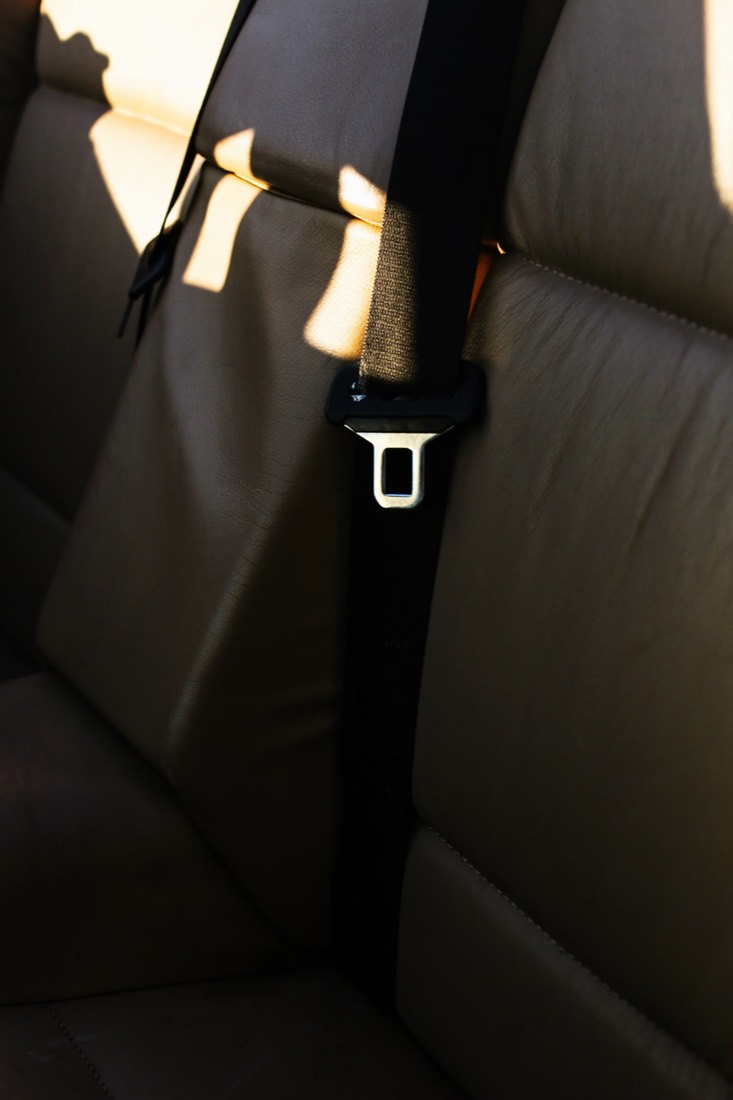
01
Vehicle or application
Which vehicle, seat layout or working environment the belt is intended for.
02
Product type
Whether the need is a complete assembly, a specific component or a set of matched parts.
03
Configuration
Seating position, mounting side, anchorage arrangement and how the belt routes in that seat.
04
Intended use
Everyday passenger use, commercial duty, fleet servicing or professional resale.
05
Condition
Whether the existing part is being replaced, supplemented or specified for the first time.
06
Quantity
A single requirement, a batch for a workshop, or a recurring volume for a distributor.
07
Buyer expectations
What the buyer needs to be certain about before they can commit to an order.
08
Destination
Where the goods are to be supplied, which shapes the practical side of any arrangement.
09
Available information
Photographs, markings, measurements or existing part details already in the buyer’s hands.
The archive index.
Categories are listed the way a catalogue lists them — by what the requirement is, not by how it is packaged. Select an entry to read the detail behind it.

Every category above is discussed in full on the Products page, including the identification questions that usually come with it.
A requirement has a starting point.
Most enquiries do not begin with a product name. They begin with a vehicle on a ramp, a fleet coming up for service, or a customer waiting at a counter. The Applications page is organised around those starting points.
App. 01
Passenger Vehicles
Cars and personal vehicles, where seating position and interior layout usually define the requirement.
App. 02
Commercial Vehicles
Vans, light commercial and goods vehicles, where duty cycle and cabin configuration matter.
App. 03
Fleet Requirements
Operators maintaining a number of vehicles, where consistency across a batch is the priority.
App. 04
Workshops & Professional Buyers
Trade buyers working to a customer’s vehicle, often with the old part in hand.
App. 05
Replacement Requirements
Situations where an existing belt is being replaced and identification comes first.
Full detail
Read each application in full
Each starting point is set out with the questions that tend to come with it.
A supplier should make sourcing clearer.
Not busier. The value of a supplier in this category is largely in the questions they ask before anything is quoted, and in how plainly they report back.
- Step 01
- UnderstandEstablish what the buyer actually needs before anything is quoted or proposed.
- Step 02
- IdentifyWork out which product the requirement really points to, using the information available.
- Step 03
- VerifyConfirm the details that matter rather than assuming them.
- Step 04
- DiscussTalk through configuration, quantity and application openly.
- Step 05
- CoordinateAgree the practical terms of supply once the requirement is settled.
- Step 06
- SupplyMove toward an appropriate supply arrangement, with the buyer informed throughout.
Before you send an enquiry
Seven things worth having ready.
None of them are difficult. Together they turn a general question into a requirement a supplier can actually work with — usually in a single exchange rather than five.
- What vehicle or application the belt is for
- Which component is actually needed
- What information you already have — markings, measurements, old part details
- How many are required
- Where they will be used
- Where they should be supplied
- Any photographs of the existing part
On identification
A photograph of the existing belt, taken in good light and showing the tongue, the buckle and any moulded markings, is often worth more than a paragraph of description. It removes ambiguity that words alone tend to leave behind.
On suitability
Seatbelts are safety components. Whether a particular product is appropriate for a particular vehicle or use depends on that specific application, and should be verified against the requirements that apply in your market before installation. Nothing on this site substitutes for that verification.
Send a requirement
Tell us what the vehicle needs — we will take it from there.
Share the application, the component and any photographs you already have. Clear information at the start is what turns a vague enquiry into a requirement that can actually be matched.